
Thank you for Subscribing to Hospitality Business Review Weekly Brief

Anani Hospitality Group
Ahmad Alameh, Executive Kitchen Manager
The Leadership behind High-Performing Hospitality Teams
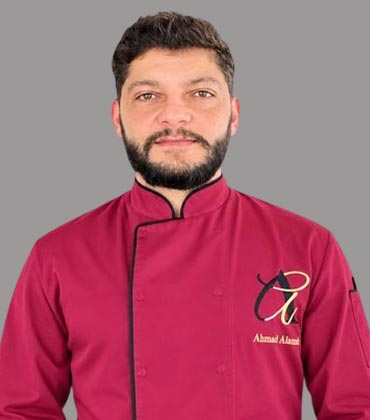
Ahmad Alameh
Ahmad Alameh is an executive kitchen manager focused on building high-performing hospitality teams through strong leadership, continuous development, and operational discipline. His approach emphasizes accountability, team empowerment, and adaptability to deliver consistent service and memorable guest experiences.
Leading through Pressure and Accountability
Consistency for me starts with clear expectations and leading by example. In hospitality, especially in kitchens, teams perform best when everyone understands their role, the standards expected of them, and the bigger goal we are working toward. I believe in being present during service, supporting the team when pressure increases, and maintaining calm communication. When leaders stay composed, the team gains confidence and remains focused on execution rather than stress.
A strong culture is built on respect, accountability, and trust. Every member of the team, regardless of position, should feel valued and understand that their contribution matters. At the same time, high standards cannot be negotiable. I focus on creating an environment where feedback is continuous, training is ongoing, and mistakes are treated as learning opportunities. When people feel respected and supported, they are more willing to take ownership of quality and operational excellence.
Creating Opportunities for Growth
I believe growth comes from a combination of training, coaching, and real responsibility. Rather than simply assigning tasks, I encourage team members to understand the reasoning behind decisions and processes. Cross-training is especially valuable because it helps employees gain a broader understanding of operations. I also look for opportunities to delegate leadership responsibilities, allowing individuals to build confidence and decision-making skills. Many successful leaders begin by being trusted with small responsibilities before taking on larger roles.
High-performing teams are not created overnight. They are built through daily commitment, mutual respect, continuous development and a shared vision.
My advice is to focus on people first. Technical skills and operational knowledge are important, but leadership is ultimately about earning trust and helping others succeed. Be willing to learn continuously, remain humble, and never ask your team to do something you would not do yourself. Strong leaders stay consistent during both successful and challenging periods. They communicate clearly, make decisions with confidence, and create an environment where individuals can grow.
Adapting to Changing Guest Expectations
Guest expectations continue to evolve, and hospitality teams must evolve with them. Today’s guests expect not only excellent food and service but also consistency, speed, personalization, and memorable experiences. This means leaders must invest more in training, communication, and adaptability. I encourage my teams to stay curious, listen to guest feedback, and continuously improve. Motivation comes from helping team members understand that every interaction contributes to the guest experience and the reputation of the business.
Throughout my career, I have learned that high-performing teams are not created overnight. They are built through daily commitment, mutual respect, continuous development, and a shared vision. When leaders invest in their people and create a culture of accountability and support, teams become capable of delivering exceptional results even in the most demanding hospitality environments.
The articles from these contributors are based on their personal expertise and viewpoints, and do not necessarily reflect the opinions of their employers or affiliated organizations.
