
Thank you for Subscribing to Hospitality Business Review Weekly Brief

Wrigley Mansion
Christopher Gross, Chef / Director Christopher's
French Precision Meets Personal Hospitality
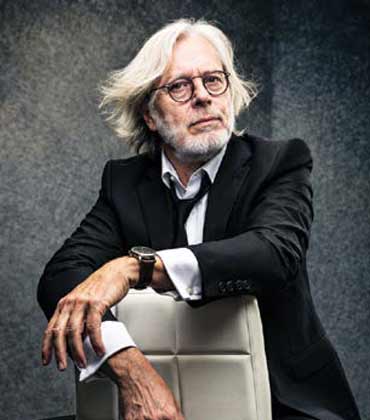
Christopher Gross
Letting Ingredients Lead French Technique
When I got to Phoenix we had to prove we could do fine dining in the desert. Nobody was handing us anything. That taught me you earn it every night. You respect the product, you respect the guest. My background is French. That's my foundation, always will be. But I learned a long time ago French technique should serve the ingredient, not cover it up. In Arizona that means lighter, brighter, let the ingredient speak. We get incredible product here and I want to taste it. After all these years I edit more. I take things off the plate. A young chef adds, an older chef takes away. That's my philosophy now.
Fine Dining with a Personal Touch
It's hospitality. The food has to be great, but people come back because of how you made them feel. I tell my team, read the table. Some people want to talk, some want to be left alone. You have to know. The Mansion helps. It's a special building. When we added the glass dining room, I wanted it to feel like an occasion but not stiff. Good light, good sound, comfortable chairs. You should relax, not feel like you are on stage. And it's every little thing. Valet, the phone call, the way we pour water. If one piece is off, the whole night feels off. We work on that every day.
The food has to be great, but people come back because of how you made them feel.
Preserving Signature Dishes through Creative Freedom
We do extensive research and development to create new dishes, so the menu is always evolving. At the same time, we have classics that people have enjoyed for 20 years. They come back for them. You don't mess with that. You make them the same, every time, with the best product you can find. That's respect. Creativity is in the tasting menu and the petite plates. That's where we play. I saw that idea in Paris years ago, small cards hanging, you could make your own tasting. I loved that freedom. So, we do that here, it keeps the cooks excited too. You need systems. I know it's not sexy to say, but recipes, tasting every day, notes on the board. When the system is tight you can be creative without worrying the quality will drop.
Rethinking Fine Dining through Sourcing and Service
Sourcing is everything now. Guests want to know the farmer, the ranch. We have to be closer to our producers. Waste less. Use the whole animal, the whole vegetable. It's not a trend, it's just the right way to cook. People will pay for real service. Not robots, not QR codes. A real server who knows the menu, knows wine, who cares. Finding and keeping those people is the hardest and most important thing we do now. Fine dining is less formal than it used to be and I think that's good. People want it to feel personal. If they don't eat meat or they want a faster pace because they have theater, we adjust. Excellence today is being flexible without lowering your standards.
Building a Culinary Career on Fundamentals and Commitment
Learn the basics. Really learn them. Stock, sauce, how to season, how to run a clean station. Everyone wants to be famous fast. That doesn't last. Fundamentals last. Take care of your team and take care of yourself. This business is hard on your body. I learned that late. And if you don't take care of your people they won't stay. Say thank you more than you think you need to. Stay somewhere long enough to learn something. I see young cooks move every 6 months. You don't learn a business in 6 months. Find someone good to work for and stay. Learn the slow season, learn the regulars, learn how to run it when things are not easy. That's how you build a career, not just a resume.
The articles from these contributors are based on their personal expertise and viewpoints, and do not necessarily reflect the opinions of their employers or affiliated organizations.
