
Thank you for Subscribing to Hospitality Business Review Weekly Brief

Hyatt Regency Lake Tahoe Resort
Edson Silva, Director of Information Technology
Leading IT beyond the Technology
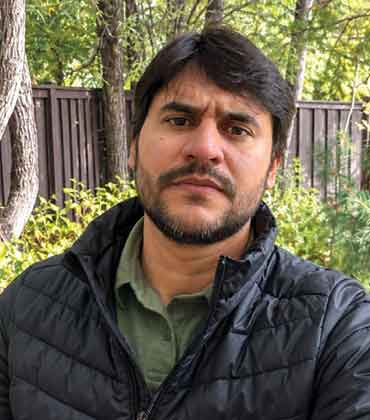
Edson Silva
Putting People at the Center of Hotel Technology
Technology should always be designed around the guest experience. However, the guest also includes the colleagues who support hotel operations. Their experience directly influences the quality of service provided to hotel guests.
From an IT perspective, our role is to implement technology that simplifies work, removes unnecessary complexity and enables colleagues to focus more of their time and energy on delivering exceptional service. The most successful technology solutions improve operational efficiency while making the experience better for everyone who interacts with them.
IT leaders should work closely with department leaders, participate regularly in operational meetings to understand their challenges and review guest survey results. This ensures that technology is not only efficient but also contributes directly to better service, stronger colleague engagement and a more consistent guest experience.
Aligning People, Technology and Hotel Operations
This question has two important dimensions: building a strong IT team and developing effective partnerships with hotel operations.
When leading an IT team, transparency is essential. Everyone should understand the goals of the owners, the hotel, the guests, the IT department and the individual team members. Once these expectations are clear, we can work together to align them, accommodate different priorities and make adjustments when necessary.
The second dimension is the partnership with hotel operations. IT is not separate from the hotel team; we are part of the same organization. We need to understand the operational challenges our colleagues face and identify how technology can support them more effectively. Strong partnerships are built through trust, regular communication and a shared commitment to improving the guest experience.
Where Emerging Technology Meets Hotel Security
Emerging technologies are changing the way hotels think about infrastructure and operations. Cloud platforms, artificial intelligence, automation and connected devices are helping hotels become more flexible, efficient and responsive. These technologies can simplify processes, improve decision-making and reduce the time colleagues spend on repetitive administrative tasks.
Technology is valuable only when it helps people work better, creates better experiences and enables more effective service for guests and colleagues.
At the same time, greater connectivity brings greater responsibility. As hotels adopt more systems and connected devices, cybersecurity must become part of every technology decision. Protecting guest information, payment data, colleague information and hotel operations require strong controls, regular monitoring, employee awareness and a culture of shared responsibility.
These technologies are most valuable when they are cost-effective, improve the reliability of hotel operations, enhance system integration and strengthen security while enabling colleagues to focus on delivering meaningful service.
The Human Purpose behind Hospitality Technology
My perspective on technology has changed significantly throughout my career. I have learned that no technology exists for its own sake.
When we consider human progress, it is ultimately driven by one central purpose: improving human life. In hospitality, technology is valuable only when it helps people work better, creates better experiences and enables more effective service for guests and colleagues.
This lesson has shaped the way I evaluate technology decisions. The most important question is not simply what a system can do, but how it can create meaningful value for people and support the goals of the organization.
The Skills that Shape Strong Technology Leaders
It is important to understand why you would like to become a technology leader. Career growth is valuable, but leadership is about more than having a senior title or managing an IT team. It requires a clear understanding of the responsibilities involved and the impact you will have on people and the organization.
It is also essential to continue learning. Technology is constantly changing, so professionals must develop their technical knowledge while strengthening their communication skills, learning how to lead teams, managing multiple projects simultaneously and managing different expectations. They must remain open to new possibilities and willing to adapt.
Although there are many different leadership styles, I believe strong technology leaders combine technical knowledge with empathy, business understanding, effective communication and a clear focus on improving the experiences of others.
The articles from these contributors are based on their personal expertise and viewpoints, and do not necessarily reflect the opinions of their employers or affiliated organizations.
