
Thank you for Subscribing to Hospitality Business Review Weekly Brief

Kiawah Island Club
Ethan Goldberg, Food and Beverage Manager
Leading with Support, Accountability and Growth
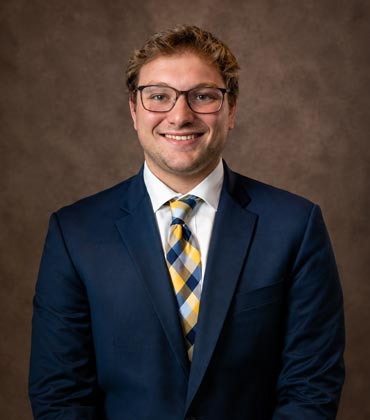
Ethan Goldberg
Building Teams That Feel Supported and Accountable
As an emerging leader I have learned that to consistently deliver strong guest experiences you need to support your team and give them the tools they need to succeed. I try to live by the idea that happy staff equal happy guests, meaning when you support your team they will then perform better. I look to support my team through creating a strong foundation, with expectations and standards that my team can look to follow. Asking your team to give a great guest experience without giving them the expectation and the tools to do that is a hard ask. Specifically, as a young leader I look to always lead by example, anything I ask someone else to do I have to be willing to do myself. This means getting my hands dirty and doing the little things to help my team succeed daily. When staff feel supported, they feel valued and important, leading to giving better service.
Something I have learned is that accountability and motivation go hand in hand. When a leader looks to hold people accountable without motivating them, your team becomes discouraged and less receptive. I try to consistently motivate my team through recognizing their good moments and praising their hard work. Hospitality is an industry that we expect things to be perfect 100 percent of the time and we forget to praise our teams for the great jobs they do, but harp on the 1 percent of the time they make mistakes. Praising the good help show your appreciation for your team.
I have also learned that the best way to hold people accountable is through coaching and not discipline. Instead of coming down on an employee and saying “that is not how we do it here”, understanding where they are coming from and working with them works better.
Communicating a Shared Service Culture
Communication is one of the most important aspects in bringing together a team. The beautiful part of our industry is that people come from all walks of life and bring differing levels of experience and perspective to the industry. Being able to communicate and share a service standard with all these different team members is extremely important.
Asking your team to give a great guest experience without giving them the expectation and the tools to do that is a hard ask.
Communication cannot only be telling your team what the standard is and expectations. It is also about creating an environment where your employees can feel comfortable to be themselves, share ideas and ask questions. When communication is not just talking at your team, but with them, it can make them feel heard and unite the team.
Developing the Next Generation of Hospitality Leaders
A leadership challenge I expect to become more important for hospitality teams in the years ahead is developing and retaining employees. Hospitality college programs are rapidly growing giving young professionals expanded networks and mentors. Young professionals, including myself, look for growth opportunities, meaningful work, and leaders to invest in them. This can mean using our networks to move organizations if there are no opportunities to grow and flourish. It is important for leaders in hospitality to recognize this and look to develop and coach their teams. Creating a culture that allows people to grow, learn and develop in your organization will allow you to retain talented employees and overall improve your team.
My biggest advice for young hospitality professionals who are starting out and want to grow into effective leaders is the understanding that you should always be willing to learn and understanding that you do not have all the answers.
A lot of young leaders in the industry, including myself, come out of school and quickly get into a management position. Our teams can be people that have a wealth of knowledge and have worked in the industry for years. Instead of coming in looking to have all the answers, learn and listen. Work with your team, learn the ins and outs of every position, talk to your team and ask for feedback. The best leaders are not people who know everything and have all the answers, but people who create a culture and an environment that allow their team to succeed.
The articles from these contributors are based on their personal expertise and viewpoints, and do not necessarily reflect the opinions of their employers or affiliated organizations.
