
Thank you for Subscribing to Hospitality Business Review Weekly Brief

The Maker
Francesco Christ, Hotel Manager
The Human Touch behind Exceptional Hospitality Experiences
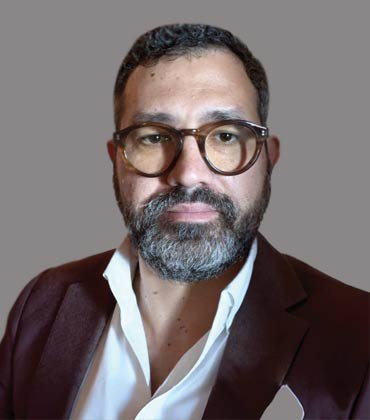
Francesco Christ
Francesco Christ brings over two decades of experience spanning luxury hotels, restaurants and mountain lodges. He believes people are at the heart of great hospitality and is passionate about inspiring young people in small communities to pursue it as a lifelong career.
From City Standards to Small-Town Relationships
New York taught me pace and precision. Guests in the city have seen everything, and the standard is unforgiving. I brought that standard to Hudson but learned a different rhythm. In a small town, guests aren't anonymous, and neither are we. I run into guests at the grocery store; our suppliers are neighbors, and locals greet the team on Warren Street.
The city offers almost anything a guest might need at any hour. Here, relationships with the community make the difference. One call to the right neighbor can create service magic for the guest, the business and the town. At The Maker, an 11-room hotel across three historic buildings, there's nowhere to hide. I love that because it has made me a more present leader. In the city, hospitality is a service. In a small town, it's a relationship.
Showing Young People a Career Path
Many young people in smaller towns see hospitality as a summer job rather than a career. I want to change that. Hospitality has given me a global network of friends, peers and mentors. Wherever I travel, I know someone, and the skills I've developed translate across countries and cultures. Few careers offer a young person from a small town that kind of opportunity.
I’ve learned that the real tools of service involve anticipating needs, following up, offering options, reading body language, showing empathy and listening closely.
We need to show them the path, not just the shift. For me, that means being present in the community, talking with young people and modeling the profession. When a 17-year-old sees a manager clearing tables on a busy Saturday, hospitality becomes a career built on pride rather than hierarchy.
Service that Transcends the Setting
Great service doesn't depend on the setting. A Michelin Key hotel and a Catskills cabin have different infrastructure, but guests want to feel cared for without asking. Luxury offers every tool, with the risk of hiding behind them. A cabin offers almost nothing, making every detail deliberate.
I've learned that the real tools of service involve anticipating needs, following up, offering options, reading body language, showing empathy and listening closely. That experience improved my approach to luxury. Now I examine every touchpoint and ask whether it makes a stay effortless or merely looks impressive. The best service is something guests don't notice; they feel it.
Leading through Presence and Trust
After more than twenty years, I believe hospitality comes down to people. A beautiful room can be found anywhere, but not the person who makes a guest feel expected. Leading from the floor means greeting arrivals, checking on the lounge team and running plates when we're busy. I'm there not to supervise but to see what my team sees and build trust through example. The team doesn't need me to explain the standard because they see it.
When hiring, I look for empathy, charisma, pride and especially curiosity. Curious people ask one more question, often the beginning of great service. Skills can be taught, but genuine care cannot. I give employees ownership, allowing them to improve a stay without needing my permission.
Creating Effortless Stays through Empowerment
Independent hotels cannot match big brands on scale, but we can compete on meaning. At The Maker, a team member might plan a wedding, recommend a local artisan and welcome back a returning guest by name in one shift. I want employees to see their impact. I also give them permission to make mistakes and learn, while explaining not only the rules but why they exist, the impact of decisions and when to break a rule for a guest. We talk through decisions, employees grow, and next time they can get it right independently.
Effortless service takes enormous effort behind the scenes. At The Maker, guests are greeted at the door, luggage reaches the room, cars are parked, and a drink and welcome tour arrive within the first minute. Paperwork can wait. Making that arrival easy requires the team to work in sync before a car pulls up.
I see the future of service in experiences designed and authored, not merely delivered. Independents can move quickly, remain personal and tell a real story. Guests should feel none of the effort, only the care.
The articles from these contributors are based on their personal expertise and viewpoints, and do not necessarily reflect the opinions of their employers or affiliated organizations.
